Analysis of the Luxury Residential Segment in London
High purchasing power and communication-ready audiences in Turkey and Azerbaijan. Delivering real estate investment or acquisition opportunities in London tailored to their expectations—offered in a comfortable, secure, and value-driven way.

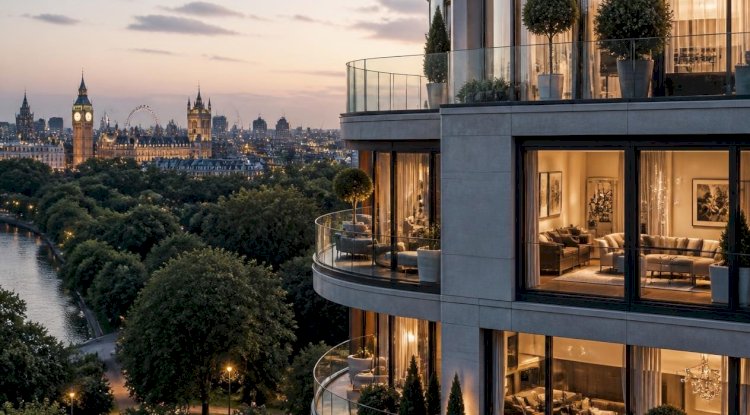
The luxury residential segment in London is not simply a collection of high-priced properties; it is a distinct market where global wealth, lifestyle preferences, and capital preservation strategies intersect. In this segment, value is determined far beyond traditional real estate metrics, shaped instead by brand equity, architectural quality, micro-location dynamics, and the level of services offered.
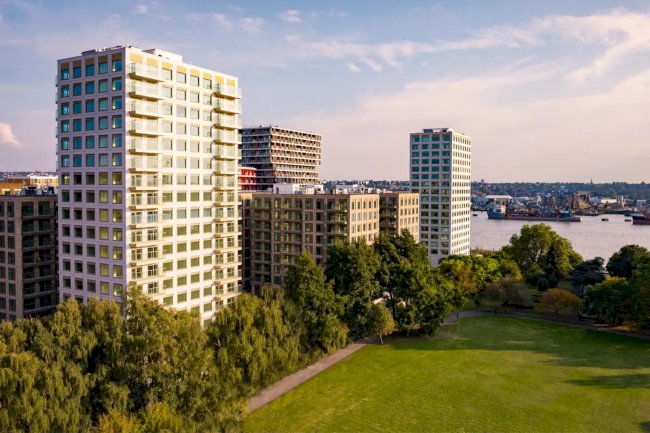
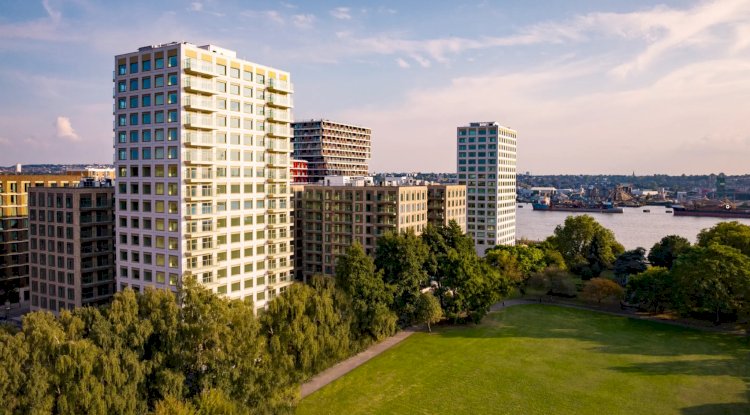
Understanding the luxury market in London first requires recognizing how the city itself is segmented. Areas such as Kensington, Chelsea, Mayfair, Belgravia, and Knightsbridge are widely regarded as “Prime Central London,” where prestige, limited supply, and sustained international demand drive long-term value. In contrast, emerging luxury zones such as Battersea Power Station, Nine Elms, and Canary Wharf represent a new definition of modern luxury, driven by regeneration, infrastructure development, and contemporary living standards. These two categories differ not only in price levels but also in investment logic and lifestyle propositions.
In traditional prime areas, value is primarily built on historical prestige, scarcity of supply, and consistent global demand. These locations typically offer stable price performance with long-term, steady appreciation. On the other hand, newly developed luxury districts are characterized by architectural innovation, integrated lifestyle amenities such as concierge services, spa facilities, gyms, and advanced security systems, as well as strong transport connectivity. These areas often present a more dynamic pricing structure and potentially higher growth upside.
A key driver in London’s luxury residential market is the rise of branded residences. Developments affiliated with global hospitality brands such as Four Seasons, Ritz-Carlton, and Mandarin Oriental go beyond providing accommodation; they deliver a fully serviced lifestyle experience. These projects are particularly attractive to international investors due to their perceived security, brand credibility, and stronger liquidity in the secondary market.
On the demand side, the picture is clear: high-net-worth individuals from the Middle East, Europe, and Asia increasingly view London not only as an investment destination but also as a strategic hub for portfolio diversification and wealth preservation. This sustained international demand helps the luxury segment remain relatively resilient to short-term economic cycles.
However, making the right investment decision in this segment is not simply about selecting a luxury development. It requires a layered analysis that includes micro-location performance, developer track record, rental yield potential, and exit strategy. In some areas, for instance, the perception of luxury may be strong, yet actual rental demand may not align proportionally—an imbalance that can significantly impact investment returns.
In conclusion, London’s luxury residential segment should not be approached emotionally, but rather through data-driven analysis, location intelligence, and an understanding of global demand patterns. A well-positioned investment offers not only elevated living standards but also long-term capital protection and sustainable value appreciation.
What's Your Reaction?